Planning, questioning and learning
Evidence-informed habits for planning lessons and asking questions that make pupils think. 7 articles, best read in this order.
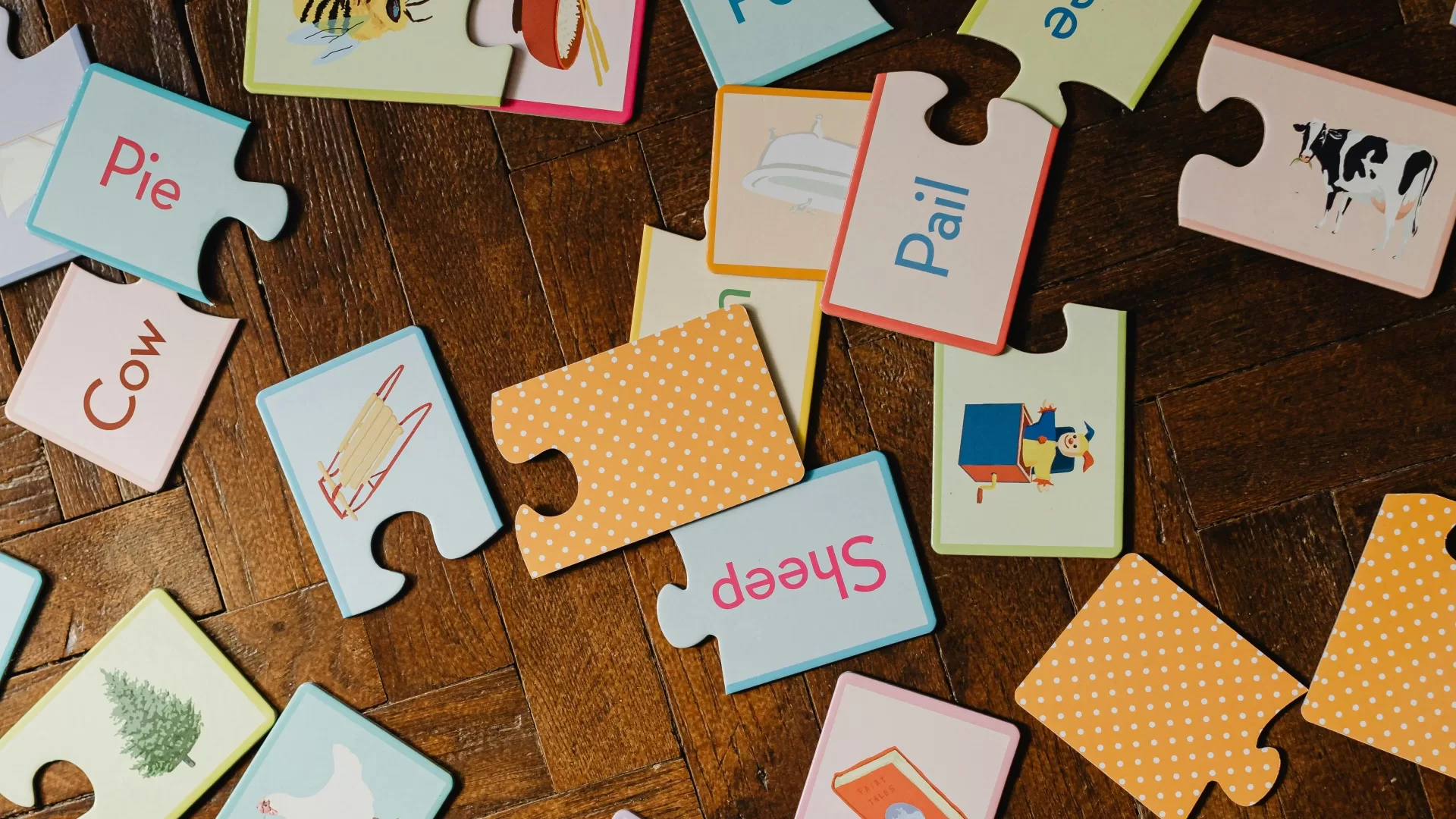 How learning really happens: unlocking the power of cognitive science in the classroomSix findings from cognitive science that every teacher should know, drawn from Carl Hendrick’s webinar on how pupils learn and forget, with a free one-page summary to keep by your desk.
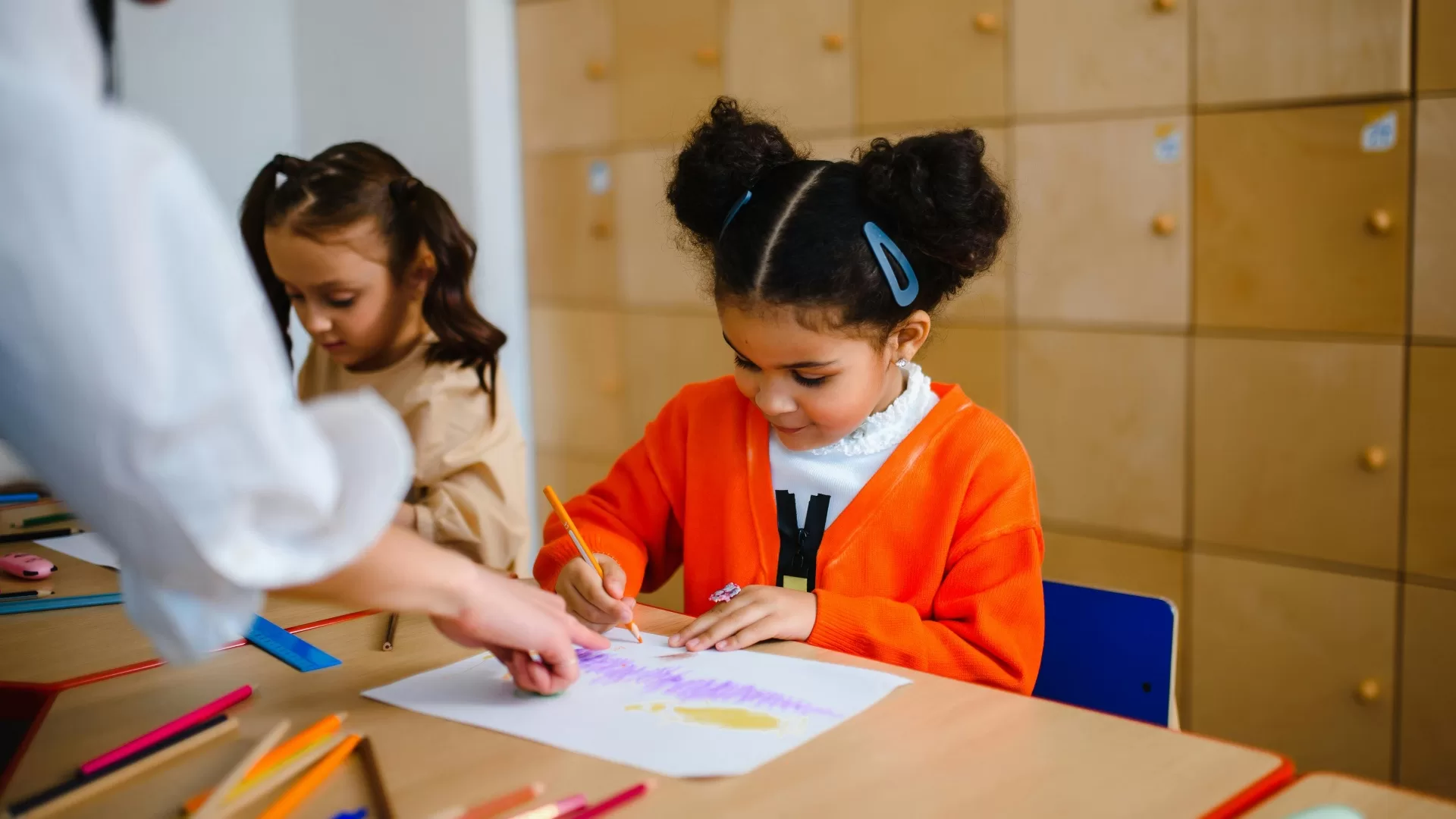 Planning with purpose: a reflective resource for high-impact classroom practiceNine principles for planning lessons, from priming the learning to building independence, offered as prompts for reflection. With a free one-page checklist to keep close by and return to.
 Teaching is for learning, not for showLearning happens invisibly, in the privacy of pupils’ minds, so a lesson that looks good may teach little. Eight tenets I have settled on for planning lessons that give learning its best chance.
 Generative thinking: how better questions lead to deeper thoughtPupils can find an answer in seconds, so the real work is what they do with it. Five questioning strategies, from Pose, Pause, Pounce, Bounce to wait time, that leave more of the thinking to them.
 From dots to thinking: how knowledge shapes critical thoughtLearning works like a dot-to-dot puzzle. Pupils gather the dots, reveal the picture and then challenge it, which is why critical thinking depends on a secure foundation of knowledge.
 It’s not magic: how the SCARF model helps us in the classroomSome classrooms feel calm and purposeful the moment you walk in. David Rock’s SCARF model helps explain why, and shows how status, certainty, autonomy, relatedness and fairness can be built deliberately.
 One compass, two directions: reflective questions that guide pupil learning and growthTwo sets of coaching-style questions, one for classroom learning and one for pastoral conversations, that help pupils reflect, regulate themselves and become agents of their own improvement. Both question sets included.